-
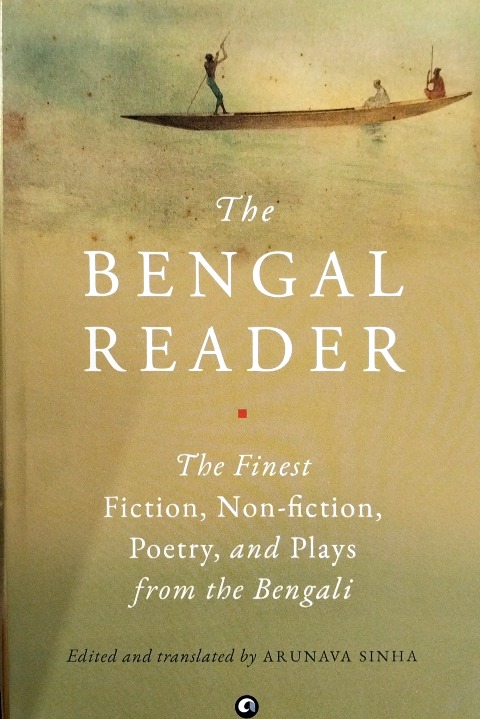
The Bengal Reader
THE BENGAL READER: The Finest Fiction, Non-Fiction, Poetry, and Plays from the Bengali The Bengal Reader is the most expansive anthology of Bengali writing in translation yet published in one volume. Ranging from the nineteenth century to the present, it is edited and translated by one of the most prolific translators of our times, Arunava Sinha. It opens up the wealth of Bengali writing to a wide audience, both Bengali and non-Bengali. The book is arranged along the axis of time. The first section contains the works of the ‘argumentative Bengali’. These include the likes of Rammohun Roy’s argument against sati, Michael Madhusudan Dutt’s The Slaying of Meghnad, Lalon Fokir’s verse, and Bankim Chandra Chattopadhyay’s satire. The second section tips its hat to Rabindranath Tagore, then goes on to reveal an extraordinary line-up of writers who also shaped and expanded the perspectives of their readers and Indian society in general. Here, you will read an excerpt from Sarat Chandra Chattopadhyay’s Devdas, essays by scientists like Jagadish Chandra Bose and Meghnad Saha, and Sukumar Ray’s humour, among others. The third section presents a slew of independent voices. It includes seminal works by luminaries like Bibhutibhushan Bandyopadhyay, Manik Bandyopadhyay, Jibanananda Das, and Sukanta Bhattacharya. Sinha attributes the boom of literary genius in this era to a ‘happy concatenation’, where magazines and cheap, widely available books ignited the imagination of both readers and writers. Next comes the era of the ‘revolutionary fires’, work by those who questioned and resisted the status quo— Satyajit Ray, Ritwik Ghatak, Kanu Sanyal, and Ashapurna Devi. The final section presents modern writers dealing with caste hierarchies, body politics, consumerism, and the media—like Manohar Mouli Biswas, Joy Goswami, and Srijato. The end of the anthology signals the crumbling of existing hierarchies in the publishing world and heralds the coming of new, raw voices. Vast and unparalleled in its scope, The Bengal Reader reflects the literary life of Bengal across two centuries. It will outlast generations and stand the test of time.
-
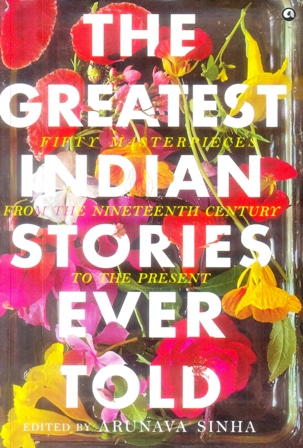
The Greatest Indian Stories Ever Told
The Greatest Indian Stories Ever Told is a selection of some of the finest literary short fiction written by Indian writers since the genre came into being in the country in the late nineteenth century. Including early masters of the form, contemporary stars, as well as brilliant writers who came of age in the twenty-first century, this anthology takes in its sweep stories from the various regions, languages, and literatures of India. These authors are some of the most feted in the annals of Indian literature and have, between them, won virtually every major literary prize on offer—including the Nobel Prize for Literature, the Jnanpith Award, the Sahitya Akademi Award, and numerous state, national, and international honours.
-
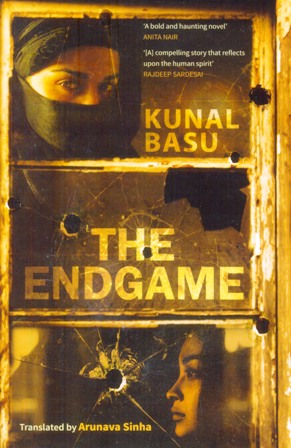
The Endgame
‘A bold and haunting novel’ ANITA NAIR ‘[A] compelling story that reflects upon the human spirit’ RAJDEEP SARDESAI Saddam Hussein is dead, but there’s no end to war in Iraq. Armed with a reputation for daredevilry, reporter Tejaswini Ray arrives from New York to cover the conflict and is immediately enmeshed in a skirmish with Commander Luke of the US Marine Corps. Bound by Luke’s strict censorship rules, Tejaswini – Tejo – revolts, her coverage of the death of American soldiers killed by landmines draws the world’s attention to a futile war and invites the Commander’s ire. Tejo’s uneasy mission is further troubled by her chance encounter with Shabnam – a young woman trafficked from India and sold into slavery at the Marine camp. Drawn together by an unlikely bond, the two find solace amidst the carnage, but their friendship reveals a secret that links them back to the very beginning of their lives. When the war threatens their camp, Tejo and Shabnam abandon the Marines and embark on an audacious journey. But will they escape the dangers, or will their past invade the present, reversing the wheel of time to hasten the end?